Are You Tired of Frequent Bathroom Trips and Disrupted Sleep Due to Prostate Issues?
For millions of men worldwide, the gradual enlargement of the prostate gland, a condition known as Benign Prostatic Hyperplasia (BPH), becomes an unwelcome part of aging. This common condition can lead to a host of uncomfortable and often embarrassing urinary symptoms, turning simple daily activities into a challenge and robbing men of restful sleep. From frequent urges to urinate, especially at night, to a weak stream, dribbling, and the persistent feeling of an incompletely emptied bladder, BPH symptoms can severely diminish quality of life.
The good news is that you don't have to suffer in silence. While conventional medical treatments are available, a growing number of men are now seeking effective natural prostate health remedies to regain control over their urinary function and improve overall well-being. These natural approaches often focus on holistic health, aiming to support the prostate gently and effectively, without the harsh side effects sometimes associated with prescription medications. Let's explore the powerful natural strategies that can offer genuine relief.
Understanding Benign Prostatic Hyperplasia (BPH) and Its Impact
Before diving into remedies, it's essential to grasp what BPH is and why it causes such discomfort. BPH is a non-cancerous enlargement of the prostate gland, a small gland located just below the bladder in men. As the prostate grows, it can press against the urethra, the tube that carries urine from the bladder out of the body, leading to a variety of lower urinary tract symptoms (LUTS).
The primary symptoms of BPH include:
- Frequent Urination: Especially bothersome at night (nocturia), interrupting sleep.
- Urgency: A sudden, compelling need to urinate that is difficult to postpone.
- Weak Urinary Stream: A diminished force of urine flow.
- Intermittency: Starting and stopping during urination.
- Straining: Needing to push or strain to urinate.
- Incomplete Emptying: The feeling that the bladder is still full after urination.
- Dribbling: Leakage of urine after urination.
💡 Key Takeaway
Benign Prostatic Hyperplasia (BPH) is a common, non-cancerous prostate enlargement causing bothersome urinary symptoms. Understanding these symptoms is the first step towards finding effective natural remedies that can significantly improve quality of life and reduce discomfort.
The Foundation of Prostate Health: Lifestyle and Dietary Changes
Before considering supplements or medications, the most fundamental and often overlooked remedies for prostate health lie in simple lifestyle adjustments and dietary improvements. These changes can lay a strong foundation, potentially reducing BPH symptoms and promoting overall well-being.
1. Diet for a Healthy Prostate: What you eat has a profound impact on your prostate. A diet rich in certain nutrients can help reduce inflammation, balance hormones, and support cellular health.
- Fruits and Vegetables: Aim for a wide variety, especially those rich in antioxidants and vitamins. Tomatoes, for example, are packed with lycopene, a powerful antioxidant linked to prostate health. Berries, broccoli, spinach, and bell peppers also offer protective benefits.
- Healthy Fats: Incorporate omega-3 fatty acids found in fatty fish (salmon, mackerel), flaxseeds, chia seeds, and walnuts. These fats have anti-inflammatory properties. Avoid excessive saturated and trans fats found in processed foods and red meat.
- Lean Protein: Choose poultry, fish, and plant-based proteins like beans, lentils, and tofu over large quantities of red meat, which some studies suggest may be linked to prostate issues.
- Reduce Dairy and Processed Foods: High intake of dairy products and highly processed foods has been associated with an increased risk of BPH progression and inflammation.
- Hydration: While it might seem counterintuitive for urinary issues, adequate hydration is crucial. Drink plenty of water throughout the day, but try to limit fluid intake a few hours before bedtime to reduce nocturia.
2. Exercise Regularly: Physical activity is not just good for your heart; it's excellent for your prostate too. Regular exercise, even moderate activities like brisk walking, can help manage weight, improve circulation, and reduce inflammation, all of which contribute to better prostate health. Studies suggest that men who exercise regularly have a lower risk of developing BPH and experience fewer symptoms.
3. Manage Stress: Chronic stress can impact your entire body, including your prostate. Stress can exacerbate urinary symptoms and create a vicious cycle of anxiety and discomfort. Incorporate stress-reduction techniques into your daily routine, such as meditation, deep breathing exercises, yoga, or spending time in nature. Quality sleep also plays a vital role in stress management and overall health.
4. Limit Caffeine and Alcohol: Both caffeine and alcohol can irritate the bladder and act as diuretics, leading to increased urinary frequency and urgency. Reducing or eliminating these from your diet, especially in the evening, can significantly alleviate BPH symptoms, particularly nocturia.
By making these fundamental shifts in diet and lifestyle, many men can experience a noticeable improvement in their prostate health and urinary comfort. These natural approaches are not only effective but also empower individuals to take an active role in their well-being.
Beyond Lifestyle: Targeted Natural Herbal and Nutritional Support
While diet and lifestyle are foundational, certain natural compounds, herbs, vitamins, and minerals have been extensively studied for their specific benefits in supporting prostate health and alleviating BPH symptoms. These targeted approaches can provide additional relief and work synergistically with healthy habits.
Saw Palmetto Extract (Serenoa repens)
One of the most well-known and widely researched herbal remedies for BPH, Saw Palmetto is believed to work by inhibiting the enzyme 5-alpha-reductase, which converts testosterone into dihydrotestosterone (DHT). DHT is a potent hormone that contributes to prostate growth. By reducing DHT levels, Saw Palmetto can help shrink the prostate and alleviate urinary symptoms like frequent urination and weak stream. Its anti-inflammatory properties also contribute to its beneficial effects.
Beta-Sitosterol
A plant sterol found in many fruits, vegetables, nuts, and seeds, Beta-Sitosterol has shown significant promise in improving urinary flow and reducing residual urine volume in men with BPH. It's thought to reduce inflammation and potentially interfere with prostate cell growth. Clinical studies have indicated that Beta-Sitosterol can lead to improvements in symptoms similar to some prescription drugs, but with fewer side effects. It's a key ingredient in many effective prostate health supplements.
Pygeum Africanum Bark Extract
Derived from the bark of the African plum tree, Pygeum has been traditionally used to treat urinary problems. It contains fatty acids, sterols, and triterpenes that are believed to reduce inflammation, improve bladder elasticity, and decrease prostate cell proliferation. Many men report a reduction in nocturia and improved urinary flow after consistent use of Pygeum, making it a valuable addition to natural prostate support regimens.
Stinging Nettle Root (Urtica dioica)
Often used in combination with Saw Palmetto, Nettle Root extract is known for its ability to support urinary flow and reduce prostate inflammation. It contains compounds that may help inhibit the binding of DHT to prostate cells and relax the smooth muscles of the bladder and prostate. This can lead to a stronger urinary stream and less frequent trips to the bathroom. Its diuretic properties also assist in flushing the urinary system.
Zinc and Selenium
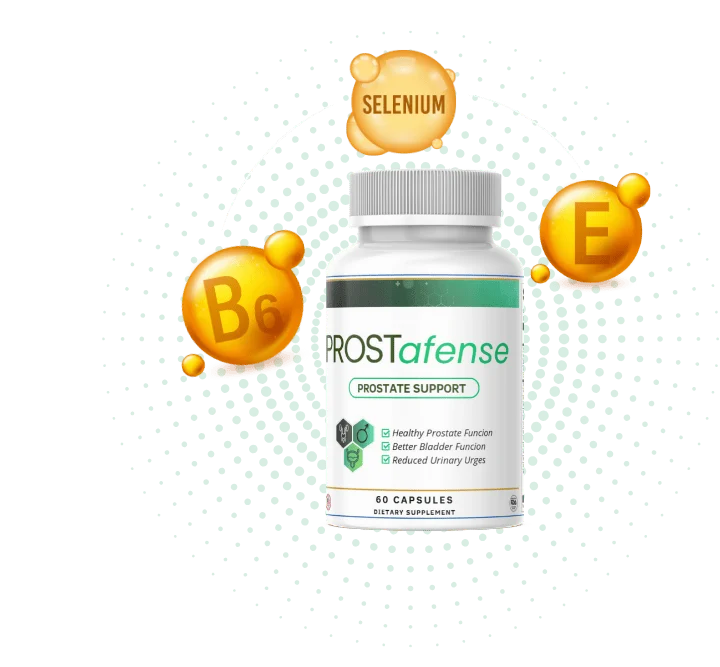
These two essential minerals play critical roles in prostate health. Zinc is highly concentrated in the prostate gland and is vital for immune function, cellular repair, and hormone metabolism. A deficiency in zinc has been linked to prostate enlargement. Selenium, a powerful antioxidant, helps protect prostate cells from oxidative damage and may play a role in reducing the risk of prostate issues. Ensuring adequate intake of these minerals through diet or supplementation is crucial for maintaining a healthy prostate.
Vitamin D
Emerging research highlights the importance of Vitamin D for overall health, including prostate health. Low levels of Vitamin D have been associated with an increased risk of prostate enlargement and other prostate issues. Supplementation or increased sun exposure to boost Vitamin D levels may contribute to a healthier prostate environment and potentially slow the progression of BPH. It’s a simple yet powerful nutrient often overlooked.
Beyond Supplements: Other Natural Approaches for Urinary Relief
While specific herbs and nutrients can be highly effective, a holistic approach to prostate health often includes other natural techniques and mindful practices that contribute to urinary comfort and overall well-being. These methods can complement your dietary and supplemental strategies.
1. Pelvic Floor Exercises (Kegels): Often associated with women's health, Kegel exercises can also benefit men, particularly in strengthening the muscles that support the bladder and urethra. While they don't shrink the prostate, strong pelvic floor muscles can help improve bladder control, reduce post-void dribbling, and enhance the overall efficiency of urination. Learning to correctly perform Kegels is important; a physical therapist specializing in pelvic health can provide guidance.
2. Bladder Training: This behavioral therapy aims to help you regain control over your bladder by gradually increasing the time between bathroom visits. Starting with small increments, you consciously delay urination, which can help increase bladder capacity and reduce urgency over time. This technique requires patience and consistency but can be very effective for managing an overactive bladder often associated with BPH symptoms.
3. Warm Baths: A warm bath can help relax the pelvic muscles and reduce discomfort or spasms associated with urinary symptoms. The warmth can soothe the area and promote relaxation, potentially making urination easier. This simple, comforting remedy can be particularly helpful before bedtime to encourage better sleep.
4. Regular Sexual Activity: Ejaculation helps to clear prostatic fluid, which some experts believe can contribute to prostate health. Regular sexual activity, within a healthy context, may help maintain prostate function and potentially reduce the accumulation of fluid that could exacerbate BPH symptoms. This is a topic that can be explored further in articles discussing prostate health remedies that work from a broader perspective.
5. Mindful Urination Practices: Pay attention to your body's signals and avoid "holding it" for too long, which can strain the bladder. When you do urinate, take your time and try to completely empty your bladder. Techniques like double voiding (urinating, waiting a few moments, and then trying to urinate again) can be beneficial. Avoid rushing, as this can lead to incomplete emptying and increased frequency.
Integrating these additional natural approaches into your daily routine can provide a more comprehensive strategy for managing BPH symptoms. Remember, consistency is key when adopting any natural remedy, and combining several beneficial practices often yields the best results.
Navigating Your Choices: Natural vs. Conventional Treatments
Natural Approaches
Emphasize a holistic view, focusing on diet, lifestyle, and targeted herbal/nutritional supplements. They often have fewer side effects, support overall health, and empower individuals to take an active role in their care. Results may take longer to manifest.
Conventional Medicine
Includes prescription medications (e.g., alpha-blockers, 5-alpha reductase inhibitors) and surgical procedures. These can offer rapid relief and are crucial for severe cases or complications. However, they may come with side effects such as dizziness, sexual dysfunction, or retrograde ejaculation.
Combination Strategies
For many men, the most effective path involves a combination of both. Natural remedies can be used as a primary approach for mild to moderate symptoms, or as complementary support alongside conventional treatments. Always discuss any combination approach with your doctor to ensure safety and efficacy. Understanding when to consider options like saw palmetto vs. prescription for prostate is vital.
Key Natural Ingredients for Comprehensive Prostate Support
Many effective natural prostate supplements combine several powerful ingredients to create a synergistic effect, targeting multiple pathways involved in BPH. Here are some of the most prominent components you'll find in high-quality formulations, including those in ProstaFense Now:

Saw Palmetto Extract
Role: Inhibits the conversion of testosterone to DHT, a key hormone in prostate enlargement. Reduces inflammation and supports healthy urinary flow, alleviating frequent urges and improving stream strength. It's a cornerstone of natural prostate care for its well-documented efficacy.
Typical Dose: 160-320 mg daily (standardized extract)
Beta-Sitosterol
Role: A plant sterol that significantly improves urinary flow rates and reduces residual urine volume. It works by decreasing inflammation and potentially preventing prostate cell proliferation. Often considered one of the most effective compounds for BPH symptoms, it's found in many plants and healthy foods.
Typical Dose: 60-180 mg daily
Zinc
Role: An essential mineral highly concentrated in a healthy prostate. It plays a crucial role in immune function, hormone metabolism, and cellular protection. Zinc deficiency is commonly observed in men with BPH, making supplementation vital for maintaining prostate health and reducing inflammation.
Typical Dose: 15-30 mg dailyThese ingredients, along with others like Pygeum, Nettle Root, and antioxidants, form the backbone of a robust natural approach to prostate health. When combined effectively, they can offer comprehensive support for urinary function and prostate wellness. Choosing a supplement with a well-researched blend, such as those discussed in articles on the best prostate health supplement, can make a significant difference.
Ready to Experience Real Prostate Health Relief?
If you're looking for a natural, comprehensive solution to support your prostate health and alleviate bothersome urinary symptoms, ProstaFense Now offers a meticulously crafted formula. Developed by urological health researchers, it combines the most potent and scientifically-backed natural ingredients to deliver effective relief.
- ✓ Reduces frequent urination and nocturia
- ✓ Supports a strong, steady urinary flow
- ✓ Promotes complete bladder emptying
- ✓ Formulated with clinically studied natural ingredients
- ✓ Manufactured in a GMP-certified facility for purity and potency




What Our Customers Are Saying About Their Prostate Relief
"I was skeptical, but ProstaFense Now has truly changed my nights. I used to wake up 4-5 times, now it's just once, sometimes none! My stream is stronger, and I feel like myself again. Highly recommend for any man dealing with BPH."
"After trying various remedies, ProstaFense Now finally gave me the relief I needed. The constant urgency is gone, and I can go on long drives without worrying. It's gentle on my stomach and truly effective. A lifesaver!"
"My doctor suggested trying natural options first, and I'm so glad I found ProstaFense Now. Within a month, I noticed a significant difference in my urinary flow and comfort. It feels great to not constantly think about the bathroom."
Frequently Asked Questions
What is Benign Prostatic Hyperplasia (BPH)?
+Benign Prostatic Hyperplasia, or BPH, is a common non-cancerous enlargement of the prostate gland. It often affects men as they age, leading to bothersome urinary symptoms such as frequent urination, weak stream, urgency, and incomplete bladder emptying. While not life-threatening, BPH can significantly impact a man's quality of life and sleep.
Can diet really impact prostate health?
+Absolutely. Diet plays a crucial role in prostate health and can significantly influence BPH symptoms. A diet rich in fruits, vegetables, healthy fats (like those found in avocados and nuts), and lean proteins can help reduce inflammation and support overall prostate function. Conversely, excessive consumption of red meat, dairy, and processed foods may exacerbate symptoms. Specific foods like tomatoes (lycopene) and green tea (antioxidants) are often recommended for their prostate-protective properties.
How do natural supplements like Saw Palmetto work for BPH?
+Natural supplements for BPH often target the hormonal pathways and inflammatory processes involved in prostate enlargement. Saw Palmetto, for instance, is believed to inhibit 5-alpha-reductase, an enzyme that converts testosterone into dihydrotestosterone (DHT), a hormone that contributes to prostate growth. Other ingredients like Beta-Sitosterol may help improve urinary flow and reduce residual urine, while zinc is vital for prostate immune function and cell health. These work synergistically to alleviate symptoms and support prostate wellness.
Are there any side effects to natural prostate remedies?
+While natural remedies are generally considered safer than pharmaceutical options, they are not entirely without potential side effects. For example, some individuals might experience mild digestive upset, headaches, or allergic reactions. It's crucial to consult with a healthcare professional before starting any new supplement regimen, especially if you have existing health conditions or are taking other medications, to ensure safety and avoid potential interactions. Quality and dosage can also vary widely among products.
When should I consult a doctor for prostate symptoms?
+It is always advisable to consult a doctor if you experience any new or worsening urinary symptoms, such as frequent urination (especially at night), difficulty starting or stopping urination, a weak or interrupted stream, pain during urination, or blood in your urine. These symptoms could indicate BPH, but they could also be signs of other more serious conditions like prostate cancer or infection. Early diagnosis and proper medical evaluation are essential for effective management and peace of mind.
How long does it take to see results from natural prostate remedies?
+The timeframe for experiencing results from natural prostate remedies can vary significantly from person to person. Factors such as the severity of symptoms, individual metabolism, consistency of use, and the specific remedy or supplement chosen all play a role. While some individuals might notice improvements within a few weeks, for others, it could take several months to experience significant relief. Consistent use and adherence to a healthy lifestyle are key for optimal long-term benefits.
Related Articles You Might Find Helpful