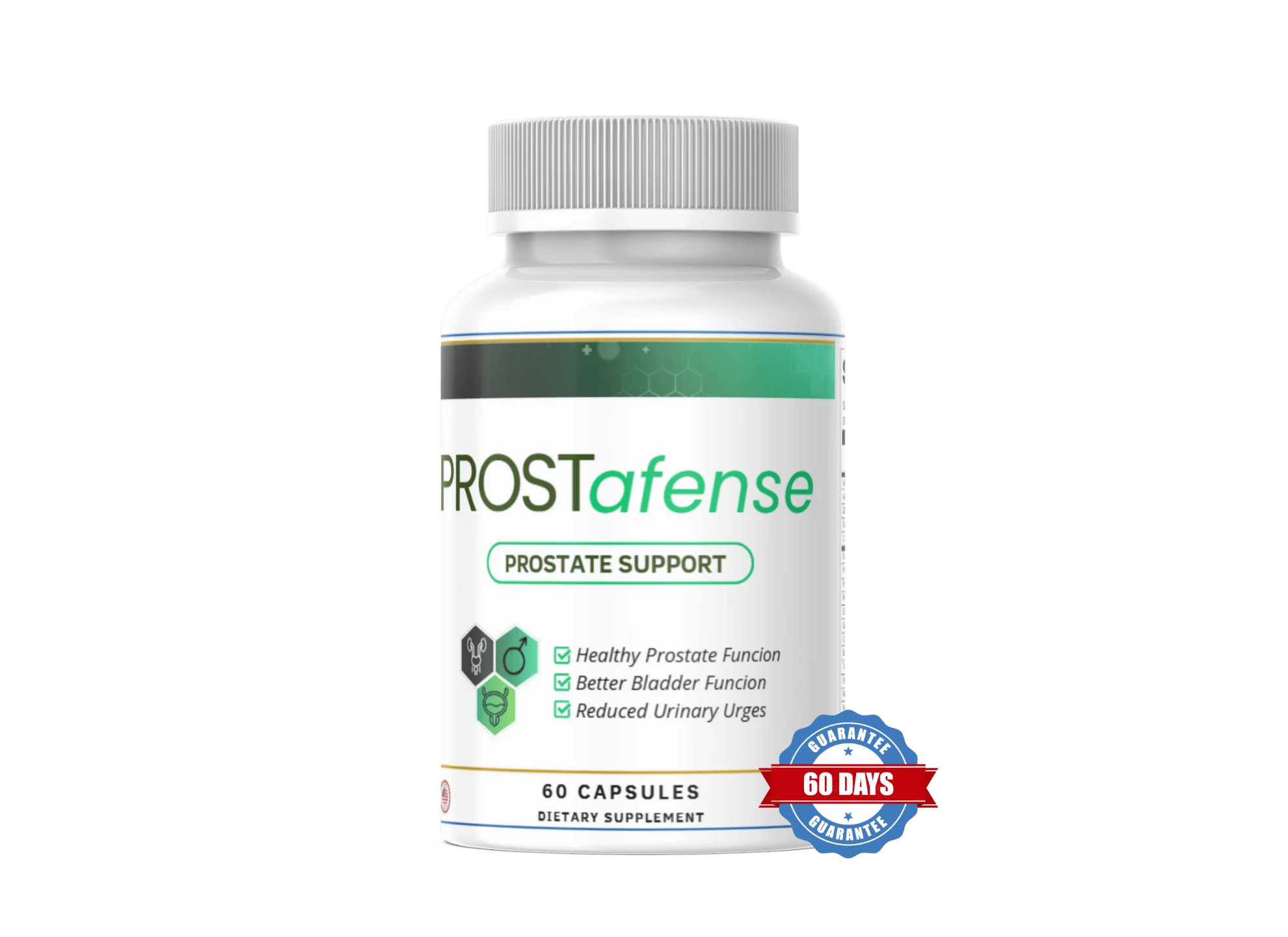
Are You Tired of Constant Bathroom Trips, Especially at Night?
Frequent urination, particularly during the night (nocturia), is a common and often frustrating symptom for many men as they age. While it can be caused by various factors, for men over 50, it's frequently linked to Benign Prostatic Hyperplasia (BPH), a non-cancerous enlargement of the prostate gland.
The constant urge to urinate, a weak stream, and incomplete bladder emptying can significantly disrupt sleep, daily activities, and overall well-being. Fortunately, there's a growing body of evidence supporting the efficacy of natural prostate support options that can help alleviate these bothersome symptoms without the harsh side effects often associated with pharmaceutical interventions.
Understanding Benign Prostatic Hyperplasia (BPH) and Frequent Urination
Before exploring solutions, it's crucial to understand the underlying cause of frequent urination in many older men: Benign Prostatic Hyperplasia (BPH).
The prostate is a small, walnut-sized gland located just below the bladder in men, surrounding the urethra. Its primary function is to produce seminal fluid, which nourishes and transports sperm. As men age, it's common for the prostate gland to enlarge, a condition known as Benign Prostatic Hyperplasia (BPH). Unlike prostate cancer, BPH is non-cancerous, but its symptoms can be equally disruptive to daily life.
When the prostate gland grows, it can put pressure on the urethra, which runs through its center. This compression obstructs the flow of urine from the bladder, leading to a range of bothersome urinary symptoms. The bladder wall may also become thicker and more irritable as it works harder to push urine past the obstruction. This increased bladder sensitivity often results in the frequent urge to urinate, even when the bladder isn't full.
Key symptoms of BPH include:
- Frequent urination: Needing to urinate more often than usual, both during the day and night (nocturia).
- Urgency: A sudden, strong need to urinate that is difficult to postpone.
- Weak or interrupted urine stream: The flow of urine may be slow, hesitant, or stop and start.
- Difficulty starting urination: Hesitancy or straining to initiate the urine stream.
- Incomplete bladder emptying: Feeling that the bladder is still full even after urinating.
- Dribbling at the end of urination: A few drops of urine may leak out after you think you're done.
These symptoms can significantly impact a man's quality of life. Nocturia, in particular, can lead to chronic sleep deprivation, fatigue, and decreased productivity. The constant need to find a restroom can cause anxiety and restrict social activities, leading to a diminished sense of well-being. Understanding these challenges is the first step toward finding effective relief.
The prevalence of BPH increases with age. While symptoms can begin in men in their 40s, it becomes more common after age 50, affecting about 50% of men in their 50s and up to 90% of men in their 80s. Risk factors include age, family history, obesity, heart disease, and type 2 diabetes. Diagnosis typically involves a physical exam (digital rectal exam or DRE), a PSA blood test to rule out cancer, urinalysis, and sometimes urinary flow tests to assess the severity of obstruction.
💡 Key Takeaway
Frequent urination, especially nocturia, is often a primary symptom of Benign Prostatic Hyperplasia (BPH), a common prostate enlargement in aging men. BPH obstructs urine flow, leading to disruptive urinary symptoms and a reduced quality of life, making effective management crucial.
The Growing Appeal of Natural Options for Prostate Health
While conventional medical treatments exist for BPH, many men are increasingly turning to natural alternatives due to concerns about side effects and a desire for a more holistic approach to health.
Traditional pharmaceutical options for BPH, such as alpha-blockers (e.g., tamsulosin) and 5-alpha reductase inhibitors (e.g., finasteride), can be effective in managing symptoms or reducing prostate size. However, they often come with a range of undesirable side effects. Alpha-blockers can cause dizziness, fatigue, headache, and retrograde ejaculation, where semen enters the bladder instead of exiting the penis. 5-alpha reductase inhibitors can lead to decreased libido, erectile dysfunction, and breast tenderness or enlargement. For many men, these side effects can be as bothersome as the BPH symptoms themselves, prompting a search for gentler solutions.
Natural approaches to prostate health focus on supporting the body's innate mechanisms to maintain prostate function, reduce inflammation, and improve urinary flow. These methods often involve a combination of dietary changes, lifestyle adjustments, and targeted nutritional supplementation. The appeal lies in their potential to offer relief with fewer adverse effects, contributing to overall well-being rather than just symptom suppression. This shift towards natural remedies reflects a broader trend in healthcare, where individuals are seeking proactive and preventative strategies for long-term health, particularly as they navigate conditions common in aging. For more insights into comprehensive male health beyond 50, you might find our article on men's prostate health over 50 helpful.
Key Natural Ingredients for Prostate Health and Urinary Flow
Nature offers a powerful array of compounds that have been extensively studied for their beneficial effects on prostate health and urinary function. Understanding these key ingredients is vital when choosing an effective supplement.
Saw Palmetto (Serenoa repens)
Perhaps the most well-known and researched natural ingredient for prostate health, Saw Palmetto extract is derived from the berries of a small palm tree native to the southeastern United States. It's believed to work by inhibiting the enzyme 5-alpha reductase, which converts testosterone into dihydrotestosterone (DHT). DHT is a potent hormone that plays a significant role in prostate growth. By reducing DHT levels, Saw Palmetto may help prevent prostate enlargement and reduce associated urinary symptoms like frequent urination and weak flow. It also possesses anti-inflammatory properties, further benefiting the prostate gland.
Beta-Sitosterol
A plant sterol found in various plant foods like fruits, vegetables, nuts, and seeds, Beta-Sitosterol has gained considerable attention for its ability to improve urinary symptoms associated with BPH. Clinical studies have shown that Beta-Sitosterol can significantly improve urinary flow rates and reduce the amount of residual urine left in the bladder after urination. While its exact mechanism isn't fully understood, it's thought to reduce inflammation and may help modulate the immune response, contributing to overall prostate health. It's often considered one of the most effective compounds for BPH symptom relief.
Pygeum Africanum
Extracted from the bark of the African cherry tree, Pygeum Africanum has a long history of use in traditional medicine for urinary disorders. Modern research suggests that Pygeum extract contains a variety of active compounds, including phytosterols, fatty acids, and triterpenes, which contribute to its therapeutic effects. It is known for its anti-inflammatory properties and its ability to reduce the proliferation of prostate cells, thereby potentially slowing prostate growth. Pygeum can also improve the elasticity of the bladder, leading to better bladder emptying and reduced urgency and frequency of urination.
Stinging Nettle Root (Urtica dioica)
Often used in combination with Saw Palmetto, Stinging Nettle Root extract is another powerful botanical for prostate support. It is believed to work through several mechanisms, including affecting the binding of sex hormones to prostate cells and inhibiting enzymes involved in prostate growth. Studies suggest it can improve urinary flow and reduce nocturia, especially when combined with other prostate-supportive herbs. Its anti-inflammatory properties also contribute to a healthier prostate environment.
Zinc
An essential mineral, zinc is found in high concentrations in a healthy prostate gland. Zinc deficiency has been linked to prostate enlargement and inflammation. It plays a crucial role in immune function, cell growth, and hormonal balance, all of which are vital for maintaining prostate health. Supplementing with zinc can help ensure adequate levels, supporting the prostate's natural functions and potentially reducing the risk of BPH progression.
Selenium
This trace mineral is a powerful antioxidant, protecting cells from oxidative stress and damage caused by free radicals. Oxidative stress is implicated in various chronic diseases, including prostate issues. Selenium also plays a role in immune function and DNA repair. While research is ongoing, some studies suggest that adequate selenium intake may contribute to long-term prostate health and potentially reduce the risk of certain prostate conditions.
Lycopene
A potent carotenoid found in tomatoes and other red fruits and vegetables, Lycopene is a powerful antioxidant that has been extensively studied for its benefits to prostate health. It helps neutralize free radicals, reducing oxidative damage to prostate cells. Research indicates that Lycopene may play a role in slowing the progression of BPH and supporting overall prostate cell integrity. Its anti-inflammatory effects also contribute to a healthier prostate environment.
Green Tea Extract (EGCG)
Rich in polyphenols, particularly epigallocatechin gallate (EGCG), green tea extract is a potent antioxidant with significant anti-inflammatory properties. These compounds can help protect prostate cells from damage, modulate hormonal pathways, and support healthy cell growth. Regular intake of green tea or its extracts is associated with various health benefits, including a potential role in maintaining prostate health and reducing the risk of BPH symptoms.
Lifestyle Modifications to Support Prostate Health
Beyond supplements, adopting certain lifestyle changes can significantly impact prostate health and help manage frequent urination.
A balanced diet is paramount. Focus on an anti-inflammatory diet rich in fruits, vegetables, whole grains, and healthy fats (like those found in the Mediterranean diet). Limiting red meat, processed foods, excessive sugar, and unhealthy fats can reduce inflammation throughout the body, including the prostate. Foods high in antioxidants, such as berries, leafy greens, and tomatoes (for lycopene), are particularly beneficial. Avoiding bladder irritants like caffeine, alcohol, and spicy foods can also reduce the urgency and frequency of urination.
Regular physical activity is another cornerstone of prostate health. Exercise helps maintain a healthy weight, which is crucial as obesity is a known risk factor for BPH. It also improves overall circulation and reduces systemic inflammation. Aim for at least 30 minutes of moderate-intensity exercise most days of the week. However, certain activities like prolonged cycling might need modification if they exacerbate prostate discomfort.
Hydration management is key. While it's important to drink enough water throughout the day, timing your fluid intake can help. Reduce fluid consumption in the hours leading up to bedtime to minimize nighttime bathroom trips. Additionally, practicing "double voiding" – urinating, waiting a few moments, and then trying to urinate again – can help ensure complete bladder emptying.
Stress management techniques, such as meditation, deep breathing exercises, or yoga, can also play a role. Stress and anxiety can sometimes worsen urinary symptoms, so finding healthy ways to cope can provide relief. Finally, it's beneficial to be aware of and address other underlying health conditions like diabetes and heart disease, as they can indirectly impact prostate health.
Choosing the Best Prostate Supplement for Frequent Urination
With a vast array of prostate supplements on the market, selecting the right one can be overwhelming. Here’s what to look for to ensure you choose an effective and safe product.
When evaluating prostate supplements, consider the following factors:
- Quality and Purity: Look for supplements manufactured in GMP (Good Manufacturing Practice) certified facilities. Third-party testing for purity and potency is also a strong indicator of a high-quality product.
- Comprehensive Formula: The best supplements often combine several synergistic ingredients that work together to address different aspects of prostate health and urinary function. A blend of botanicals, vitamins, and minerals can be more effective than a single ingredient.
- Clinically Studied Dosages: Ensure the supplement contains ingredients in dosages that have been shown to be effective in scientific research. Proprietary blends can sometimes hide insufficient quantities of key ingredients.
- Transparency: A reputable brand will have clear labeling, listing all ingredients and their exact amounts. Avoid products with vague ingredient lists.
- Brand Reputation and Reviews: Check for customer reviews and testimonials. A company with a strong track record and positive feedback from users can be a good sign.
- Guarantees: A money-back guarantee indicates the manufacturer's confidence in their product.
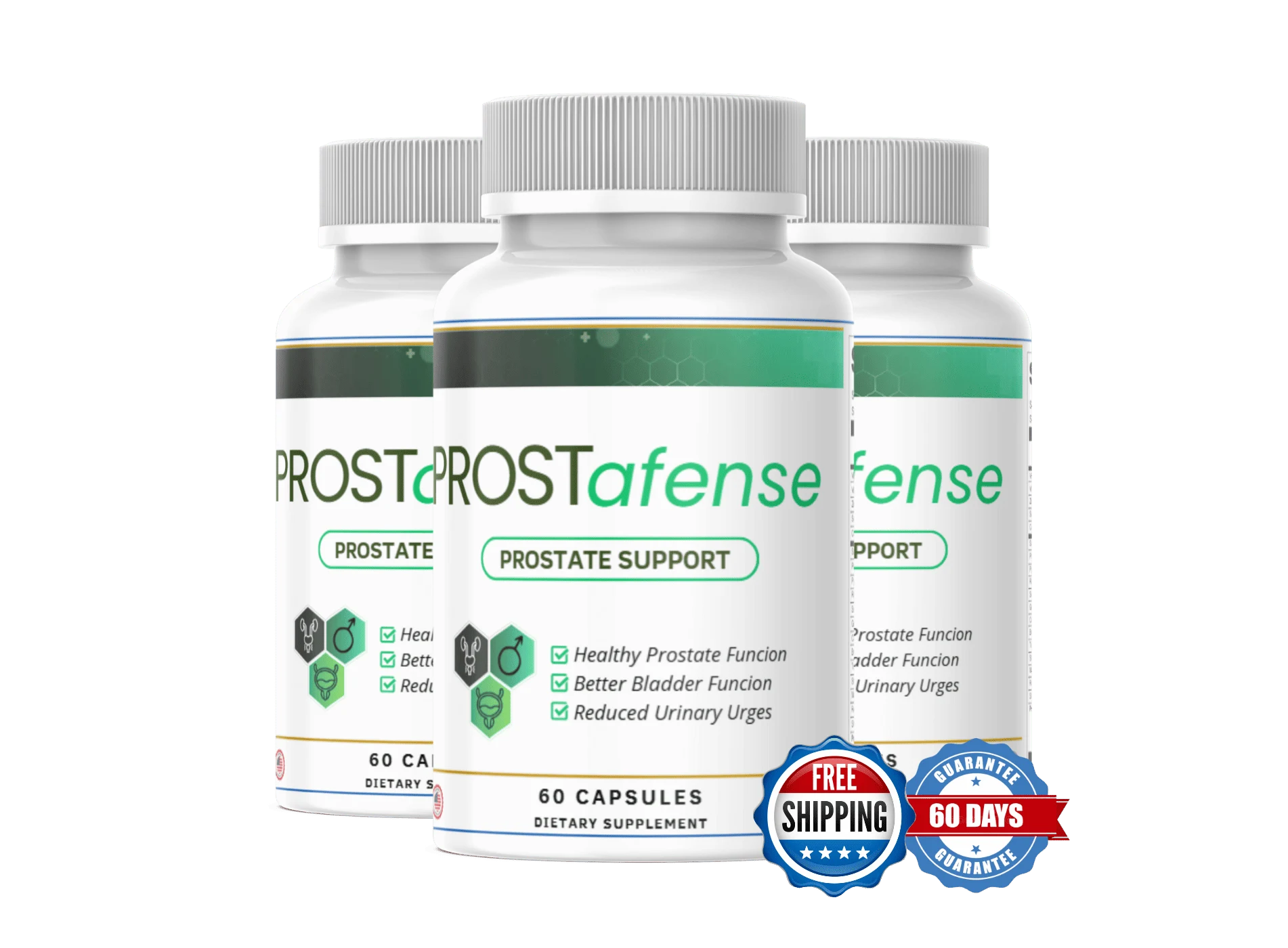
Among the myriad of options available, ProstaFense Now stands out as a carefully formulated supplement designed to provide comprehensive support for prostate health and alleviate frequent urination. It combines several of the most well-researched natural ingredients in optimal dosages, aiming to tackle the root causes of BPH symptoms. Its commitment to quality and a holistic approach makes it a compelling choice for those seeking natural relief. To delve deeper into the specific benefits of natural relief options, read our guide on natural BPH relief supplements.
Ready to experience the difference and support your prostate health naturally? Learn more about ProstaFense Now and its natural benefits.
The Science Behind ProstaFense Now's Key Ingredients
ProstaFense Now leverages a powerful blend of nature's best prostate-supporting compounds, each carefully selected for its scientifically backed benefits.

Saw Palmetto Extract
Role: A cornerstone of prostate health, Saw Palmetto helps inhibit the enzyme 5-alpha reductase, reducing the conversion of testosterone to DHT, a key factor in prostate enlargement. It also possesses significant anti-inflammatory properties, supporting overall prostate comfort and function.
Typical Dose: 160-320 mg daily
Beta-Sitosterol
Role: This powerful plant sterol is renowned for its ability to improve urinary flow and reduce residual urine volume, directly addressing the bothersome symptoms of BPH. It acts through various mechanisms, including reducing inflammation and supporting healthy immune responses within the prostate gland.
Typical Dose: 60-180 mg daily
Pygeum Africanum
Role: Derived from the African cherry tree, Pygeum Africanum bark extract offers anti-inflammatory benefits and helps reduce the proliferation of prostate cells. It contributes to improved bladder elasticity and function, leading to a reduction in urinary frequency and urgency, thereby enhancing bladder control.
Typical Dose: 50-100 mg daily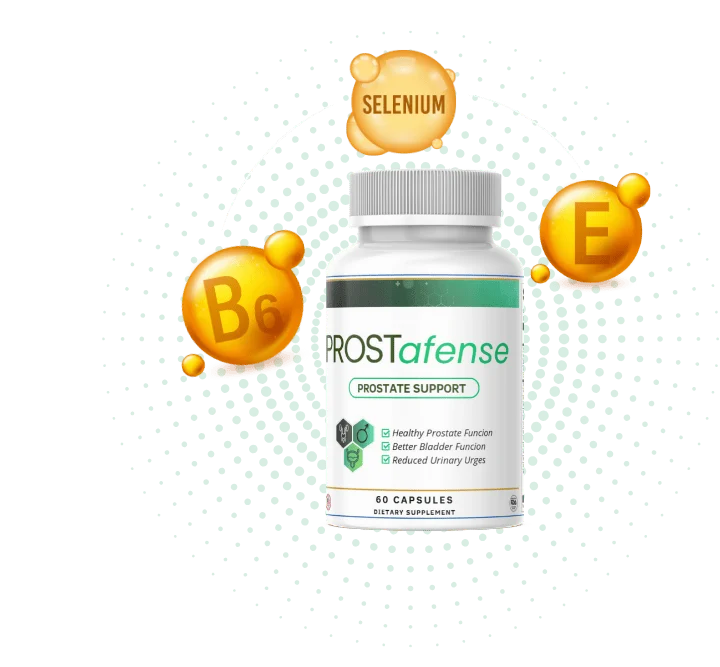
The Benefits of Comprehensive Prostate Support
A well-formulated natural prostate supplement, like ProstaFense Now, offers a multi-faceted approach to addressing BPH symptoms and promoting overall urinary health.
Reduced Nighttime Urination (Nocturia)
One of the most life-disrupting symptoms of BPH is the constant need to urinate during the night. Effective natural ingredients can help reduce bladder irritation and improve bladder capacity, leading to fewer trips to the bathroom and significantly more restful sleep. This improvement in sleep quality can have a profound positive impact on daily energy and mood.
Improved Urinary Flow and Stream
A weak or hesitant urine stream is a classic sign of prostate enlargement. Ingredients that help relax the muscles around the urethra and reduce prostate swelling can lead to a stronger, more consistent urine flow. This makes urination easier, quicker, and more complete, alleviating much of the frustration associated with BPH.
More Complete Bladder Emptying
The feeling of incomplete bladder emptying can be highly uncomfortable and can also increase the risk of urinary tract infections. Natural supplements work to reduce the obstruction caused by an enlarged prostate, allowing the bladder to empty more fully. This not only provides immediate relief but also supports long-term urinary tract health.
Overall Prostate Health Support
Beyond symptom relief, many natural ingredients offer antioxidant and anti-inflammatory benefits that contribute to the long-term health of the prostate gland. By protecting prostate cells from damage and reducing chronic inflammation, these supplements foster a healthier prostate environment, potentially slowing the progression of BPH and supporting general urological well-being.
Enhanced Quality of Life
Ultimately, the goal of prostate support is to restore comfort and freedom. By alleviating frequent urination, improving sleep, and reducing the constant worry about finding a restroom, a comprehensive supplement can significantly enhance a man's overall quality of life. This allows for greater participation in social activities, travel, and a return to a more active and fulfilling lifestyle. For more specific information on supplements for frequent urination, refer to our article on prostate supplements for frequent urination.
Potential Considerations and When to See a Doctor
While natural prostate supplements can offer significant relief, it's important to approach them with an understanding of their role and limitations.
Natural supplements are generally well-tolerated, but like any active compound, they can have potential side effects or interactions. For instance, some ingredients may interact with blood thinners, blood pressure medications, or drugs for diabetes. It's crucial to consult with your healthcare provider before starting any new supplement regimen, especially if you have existing medical conditions, are taking prescription medications, or are scheduled for surgery.
Furthermore, it's vital to remember that BPH symptoms can sometimes mask more serious conditions, such as prostate cancer or other urinary tract issues. While BPH is non-cancerous, regular check-ups with your doctor are essential for proper diagnosis and monitoring. You should seek immediate medical attention if you experience:
- Blood in your urine.
- Severe pain during urination or in your lower abdomen.
- Complete inability to urinate (acute urinary retention), which is a medical emergency.
- Fever or chills along with urinary symptoms.
Natural supplements are intended to support prostate health and alleviate BPH symptoms, but they are not a substitute for professional medical diagnosis or treatment. They work best as part of a comprehensive health plan that includes a healthy lifestyle and regular medical supervision. Always listen to your body and communicate any concerns or changes in your symptoms with your doctor.
Take Control of Your Prostate Health Today
Don't let frequent urination and uncomfortable BPH symptoms dictate your life any longer. ProstaFense Now offers a powerful, all-natural solution designed to restore your bladder control, improve urinary flow, and give you back your peaceful nights.
- ✓ Reduces frequent urination and nocturia
- ✓ Supports a strong, steady urine stream
- ✓ Promotes complete bladder emptying
- ✓ Formulated with clinically studied natural ingredients
- ✓ Made in the USA in a GMP certified facility




What Our Customers Are Saying
"I was getting up 4-5 times a night. After a month with ProstaFense Now, it's down to 1-2 times. My sleep is so much better, and I feel like myself again. This product is a game-changer!"
"The constant urgency was driving me crazy. ProstaFense Now has significantly reduced my daytime bathroom trips and improved my flow. I feel more confident going out now."
"I was skeptical at first, but the natural ingredients convinced me to try it. My weak stream has improved dramatically, and I no longer feel like I haven't fully emptied my bladder. Highly recommend!"
Frequently Asked Questions
What is BPH and how does it cause frequent urination?
+Benign Prostatic Hyperplasia (BPH) is a non-cancerous enlargement of the prostate gland, common in men over 50. As the prostate grows, it can press on the urethra, the tube that carries urine from the bladder out of the body. This compression obstructs urine flow, leading to symptoms like frequent urination, urgency, a weak stream, and incomplete bladder emptying. The bladder may also become more irritable, causing a constant urge to urinate, even when it's not full.
How do natural supplements help with BPH symptoms?
+Natural supplements often contain ingredients like Saw Palmetto, Beta-Sitosterol, and Pygeum Africanum, which have been studied for their ability to support prostate health. These ingredients may help by inhibiting the conversion of testosterone to DHT (a hormone linked to prostate growth), reducing inflammation in the prostate, improving bladder muscle function, and promoting a healthy urinary flow. They aim to address the underlying factors contributing to BPH symptoms, offering a gentle alternative or complement to conventional treatments.
Are there any side effects to natural prostate supplements?
+While natural prostate supplements are generally well-tolerated, some individuals may experience mild side effects such as digestive upset (nausea, diarrhea), headache, or dizziness. Serious side effects are rare. It's crucial to consult with your doctor before starting any new supplement, especially if you have existing medical conditions, are taking other medications, or are scheduled for surgery, as some ingredients can interact with drugs or affect blood clotting. Always follow recommended dosages.
How long does it take to see results from prostate supplements?
+The time it takes to experience noticeable improvements from natural prostate supplements can vary significantly among individuals. Some men may report initial relief within a few weeks, while for others, it might take 1 to 3 months of consistent use to observe significant changes in urinary symptoms like reduced frequency or improved flow. Consistency is key, and lifestyle factors also play a role. It's important to give the supplement adequate time to work and to monitor your symptoms.
What lifestyle changes can I make to support my prostate health?
+Several lifestyle changes can significantly support prostate health and alleviate BPH symptoms. These include adopting a balanced diet rich in fruits, vegetables, and healthy fats (like the Mediterranean diet), while limiting red meat, processed foods, and excessive sugar. Regular exercise, maintaining a healthy weight, reducing consumption of bladder irritants like caffeine and alcohol, and timing fluid intake (especially before bed) can also make a substantial difference. Stress management techniques can also be beneficial.
Is ProstaFense Now suitable for all men?
+ProstaFense Now is formulated with natural ingredients generally considered safe for adult men seeking prostate support. However, it is not suitable for everyone. Men under 18, those with known allergies to its ingredients, or individuals with pre-existing medical conditions (like prostate cancer) should avoid it. It is absolutely essential to consult with a healthcare professional before starting ProstaFense Now, or any new supplement, to ensure it is appropriate for your specific health needs and to avoid potential interactions with medications.
Related Articles