Are you experiencing the frustrating symptoms of an aging prostate?
As men age, the health of their prostate gland becomes an increasingly important focus. For many, this includes navigating the challenges of Benign Prostatic Hyperplasia (BPH), a common condition characterized by an enlarged prostate that can lead to uncomfortable urinary symptoms, impacting quality of life.
While BPH is a natural part of aging for many, it doesn't mean you have to suffer in silence. The good news is that a proactive approach, incorporating specific dietary changes, targeted lifestyle adjustments, and powerful natural supplements, can significantly improve prostate health and alleviate symptoms. Discover how to achieve lasting prostate wellness through natural methods and regain control over your urinary health.
Understanding Benign Prostatic Hyperplasia (BPH)
Before diving into solutions, it's essential to understand the condition itself. Benign Prostatic Hyperplasia, or BPH, is a non-cancerous enlargement of the prostate gland. Located just below the bladder and surrounding the urethra, the prostate plays a vital role in male reproductive health.
As men age, typically starting in their 40s and becoming more prevalent after 50, the prostate gland can begin to grow. This growth, while benign, can lead to significant problems. As the prostate expands, it can press on the urethra, the tube that carries urine from the bladder out of the body. This compression can obstruct urine flow, leading to a range of uncomfortable and often disruptive urinary symptoms. Common symptoms include frequent urination, especially at night (nocturia), a weak or slow urinary stream, difficulty starting urination, the sensation of incomplete bladder emptying, and an urgent need to urinate. These symptoms can significantly impact daily life, sleep quality, and overall well-being. Understanding BPH is the first step toward effectively managing it and improving your prostate health naturally.
💡 Key Takeaway
BPH is a common, non-cancerous prostate enlargement in aging men, causing urinary symptoms due to urethral compression. Recognizing these symptoms is crucial for seeking effective, natural management strategies.
The Power of Your Plate: Dietary Strategies for Prostate Health
One of the most impactful ways to support your prostate health and mitigate BPH symptoms is through your diet. What you eat (and don't eat) directly influences inflammation, hormone balance, and cellular health within your body, including your prostate gland.
Embrace a Plant-Rich Diet
A diet abundant in fruits, vegetables, and whole grains is a cornerstone of prostate health. These foods are packed with antioxidants, vitamins, and minerals that combat oxidative stress and inflammation, both of which are implicated in prostate enlargement. Aim for a colorful variety to ensure a broad spectrum of protective compounds.
Prioritize Healthy Fats
Swap unhealthy saturated and trans fats for beneficial monounsaturated and polyunsaturated fats. Sources like avocados, nuts (walnuts, almonds), seeds (flax, chia, pumpkin), and olive oil provide essential fatty acids that have anti-inflammatory properties and support overall cellular function. Omega-3 fatty acids, in particular, found in fatty fish like salmon, mackerel, and sardines, are known for their strong anti-inflammatory effects.
Choose Lean Proteins
While protein is essential, the source matters. Opt for lean protein sources such as fish, poultry, beans, and legumes over excessive red and processed meats. Some studies suggest a link between high consumption of red meat and an increased risk of prostate issues, possibly due to inflammatory compounds formed during high-temperature cooking.
Focus on Specific Prostate-Friendly Nutrients
Certain nutrients stand out for their direct benefits to prostate health. Lycopene, a powerful antioxidant found in cooked tomatoes, watermelon, and pink grapefruit, has been linked to a reduced risk of prostate problems. Zinc, abundant in oysters, pumpkin seeds, and beans, is crucial for prostate function and immune health. Selenium, found in Brazil nuts and seafood, also offers antioxidant protection. Incorporating these nutrient-dense foods regularly can make a significant difference.
Stay Hydrated
Drinking plenty of water throughout the day is vital for overall health, including prostate and urinary tract function. Adequate hydration helps to flush out toxins and keeps urine diluted, which can reduce irritation to the bladder and prostate. Avoid excessive intake of sugary drinks, artificial sweeteners, and highly caffeinated beverages.
Foods to Limit or Avoid for Optimal Prostate Health
Just as there are foods that support your prostate, there are others that can exacerbate inflammation and contribute to prostate issues. Reducing or eliminating these from your diet is just as important as adding beneficial foods.
Red and Processed Meats: High consumption of red meats (beef, pork, lamb) and processed meats (sausages, bacon, deli meats) has been linked to increased inflammation and a higher risk of prostate problems. These often contain unhealthy fats and can produce pro-inflammatory compounds when cooked at high temperatures. Consider plant-based alternatives or lean poultry and fish.
Dairy Products: Some research suggests a potential link between high dairy intake and prostate issues. While the evidence is not conclusive, considering alternatives like almond milk, soy milk, or oat milk might be beneficial, especially if you experience sensitivity. It's important to monitor your calcium intake from other sources if reducing dairy.
Excessive Alcohol and Caffeine: Both alcohol and caffeine can act as diuretics and bladder irritants, potentially worsening urinary symptoms associated with BPH, such as frequent urination and urgency. While moderate consumption might be acceptable for some, reducing intake, especially in the evenings, can improve sleep quality and reduce nighttime trips to the bathroom.
Sugary Foods and Refined Carbohydrates: Diets high in sugar and refined carbohydrates (white bread, pasta, pastries) can lead to chronic inflammation and contribute to weight gain, both of which negatively impact prostate health. These foods can also disrupt blood sugar regulation, which has indirect effects on hormonal balance. Opt for whole grains, fruits, and vegetables for your carbohydrate needs.
Unhealthy Fats: Trans fats and excessive saturated fats found in fried foods, fast food, and many processed snacks can promote inflammation throughout the body, including the prostate. Focusing on healthy fats, as mentioned earlier, is key.
The Tomato Powerhouse
Cooked tomatoes are a top source of lycopene, a potent antioxidant. Studies show lycopene can reduce oxidative stress and inflammation in the prostate. Incorporate tomato paste, sauce, or roasted tomatoes into your meals frequently.
Berry Good for You
Berries like strawberries, blueberries, raspberries, and blackberries are rich in antioxidants and vitamin C. These compounds help protect cells from damage and can contribute to overall prostate wellness. Enjoy them fresh, in smoothies, or as a healthy snack.
Green Tea Benefits
Green tea is packed with catechins, powerful antioxidants that have been linked to a reduced risk of various health issues, including prostate concerns. Regular consumption of green tea can help reduce inflammation and support cellular health.
Cruciferous Vegetables
Broccoli, cauliflower, kale, and Brussels sprouts contain sulforaphane and other compounds that support detoxification and may help prevent prostate cell damage. Aim for several servings of these nutrient-dense vegetables each week.
Beyond Diet: Lifestyle Modifications for a Healthier Prostate
While diet is foundational, a holistic approach to prostate health also includes vital lifestyle adjustments that can significantly impact your symptoms and overall well-being.
Regular Physical Activity: Exercise is a powerful tool against BPH. Regular physical activity, even moderate intensity like brisk walking, can help manage weight, improve circulation, reduce inflammation, and enhance overall hormonal balance. Aim for at least 30 minutes of moderate exercise most days of the week. Studies suggest that men who are physically active have a lower risk of developing BPH and experience less severe symptoms.
Maintain a Healthy Weight: Obesity is a known risk factor for BPH and can exacerbate symptoms. Excess body fat, particularly around the abdomen, can influence hormone levels and inflammation, contributing to prostate enlargement. Losing even a small amount of weight can have a positive impact on your prostate health and reduce the burden on your urinary system.
Manage Stress: Chronic stress can have detrimental effects on the entire body, including the prostate. Stress can lead to increased inflammation and muscle tension, potentially worsening urinary symptoms. Incorporate stress-reduction techniques into your daily routine, such as meditation, yoga, deep breathing exercises, spending time in nature, or engaging in hobbies you enjoy.
Optimize Urinary Habits: Simple changes in how you manage your bladder can make a big difference. Avoid holding urine for too long, as this can stretch the bladder and weaken its muscles over time. Try "double voiding" – urinating, waiting a few moments, and then trying to urinate again to ensure complete emptying. Limit fluid intake a few hours before bedtime to reduce nocturia. It's also wise to reduce consumption of bladder irritants like caffeine and alcohol, especially in the evening.
Regular Screenings: While focusing on natural approaches, it's crucial not to neglect regular medical check-ups. Discuss your prostate health with your doctor, especially if you're over 50 or have a family history of prostate issues. Early detection and professional guidance are key to managing BPH and ruling out other conditions. You can find more comprehensive strategies for natural relief in articles like Natural BPH Relief Supplement Options.
💡 Key Takeaway
Beyond diet, lifestyle changes like regular exercise, maintaining a healthy weight, stress management, and improved urinary habits are crucial for alleviating BPH symptoms and fostering long-term prostate wellness.
Targeted Support: The Role of Natural Supplements
Even with the best diet and lifestyle, sometimes your prostate needs an extra boost. That's where targeted natural supplements come in. Many botanical extracts and nutrients have been clinically studied for their ability to support prostate health and alleviate BPH symptoms. These supplements work by various mechanisms, including reducing inflammation, inhibiting the conversion of testosterone to DHT (a hormone implicated in prostate growth), and promoting healthy urinary function.
When choosing a supplement, look for those that contain a blend of well-researched ingredients, ideally in clinically effective dosages. Quality and purity are paramount to ensure you're getting a safe and effective product. Supplements can be a powerful complement to your dietary and lifestyle efforts, offering comprehensive support for your prostate. For those seeking solutions for specific symptoms like frequent urination, exploring a prostate supplement for frequent urination might be beneficial.

Saw Palmetto (Serenoa repens)
Role: A widely recognized herb for prostate health, Saw Palmetto berries contain fatty acids and plant sterols that may help inhibit the enzyme 5-alpha reductase, which converts testosterone into dihydrotestosterone (DHT). DHT is strongly implicated in prostate growth and BPH. By moderating DHT levels, Saw Palmetto can help reduce prostate size and alleviate urinary symptoms like frequent urination, particularly at night.
Typical Dose: 160-320 mg daily of standardized extract
Beta-Sitosterol
Role: A plant sterol found in many plant foods (nuts, seeds, avocados), Beta-Sitosterol has demonstrated significant efficacy in improving urinary flow and reducing residual urine volume in men with BPH. It is believed to work by reducing inflammation and potentially by influencing prostate cell growth. Clinical trials have shown it to be effective in improving BPH symptoms without significant side effects, making it a cornerstone of natural prostate support.
Typical Dose: 60-180 mg daily
Zinc
Role: This essential trace mineral is found in high concentrations in the prostate gland and plays a crucial role in its healthy function. Zinc deficiency has been linked to prostate enlargement and inflammation. Supplementing with zinc can help support the prostate's immune function, regulate cell growth, and may contribute to reducing prostate volume. It's often included in comprehensive prostate formulas for its foundational role.
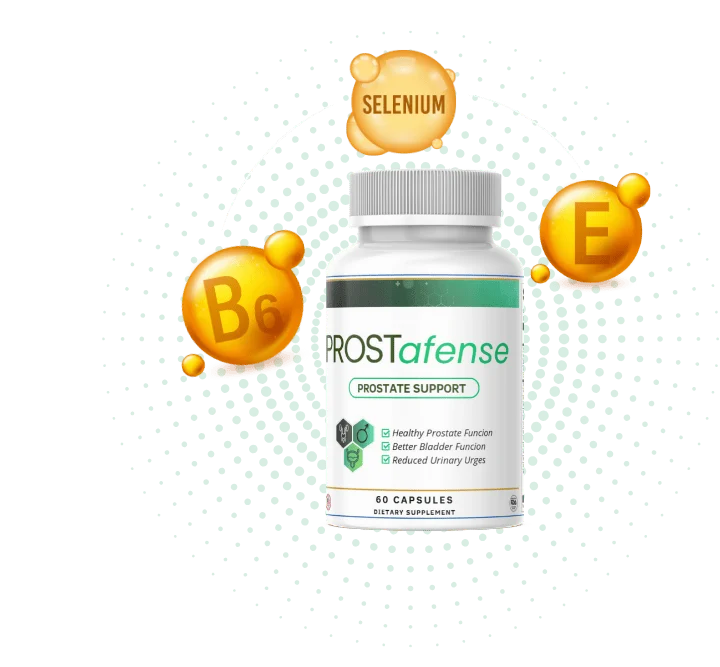
Typical Dose: 15-30 mg dailyThese are just a few of the many powerful ingredients that can contribute to improved prostate health. When these ingredients are combined synergistically, as in a well-formulated supplement like ProstaFense Now, their benefits can be amplified, offering comprehensive support for men experiencing BPH symptoms. For more insights into effective solutions, check out Prostate Health Remedies That Work.
Experience the Difference with ProstaFense Now
ProstaFense Now is a cutting-edge natural supplement designed to provide comprehensive support for prostate health and alleviate the frustrating symptoms of BPH. Formulated with a powerful blend of clinically proven ingredients, ProstaFense Now works synergistically to reduce inflammation, promote healthy urinary flow, and support overall prostate function.
- ✓ Reduces frequent urination and urgency
- ✓ Supports a strong, steady urinary stream
- ✓ Decreases nighttime awakenings (nocturia)
- ✓ Promotes healthy prostate size and function
- ✓ Made with 100% natural, scientifically-backed ingredients




What Our Customers Are Saying
"I was getting up 4-5 times a night, and it was really taking a toll. After just a few weeks on ProstaFense Now, I'm down to 1-2 times, sometimes none! My stream is stronger, and I feel like myself again. This product is a game-changer."
"I'd tried several other supplements with little to no effect. ProstaFense Now was different. The urgency is gone, and I don't constantly feel like I need to find a bathroom. It's given me back my freedom to enjoy outings without constant worry."
"My doctor recommended looking into natural options for my BPH, and I stumbled upon ProstaFense Now. Combined with a healthier diet, my symptoms have improved dramatically. I'm sleeping better, and my urinary flow is much more consistent. Highly recommend!"
Frequently Asked Questions
What is Benign Prostatic Hyperplasia (BPH)?
+Benign Prostatic Hyperplasia (BPH) is a common, non-cancerous enlargement of the prostate gland that affects many men as they age. This enlargement can compress the urethra, leading to various urinary symptoms such as frequent urination, weak stream, and difficulty emptying the bladder.
What dietary changes can help improve prostate health?
+Adopting a prostate-friendly diet involves increasing your intake of fruits, vegetables, healthy fats (like those found in avocados and nuts), and lean proteins. It's also crucial to limit red meat, processed foods, excessive sugar, unhealthy fats, and moderate alcohol and caffeine consumption.
Are there specific supplements recommended for prostate health?
+Yes, several natural supplements are widely studied for their prostate health benefits. Key ingredients often include Saw Palmetto, Beta-Sitosterol, Zinc, Pygeum Africanum, and Lycopene. These ingredients work through various mechanisms, such as reducing inflammation, inhibiting prostate growth, and supporting hormonal balance.
How does ProstaFense Now support prostate health?
+ProstaFense Now is formulated with a blend of clinically studied natural ingredients known for their efficacy in supporting prostate health. It aims to reduce prostate inflammation, alleviate BPH symptoms like frequent urination and weak stream, and promote overall urinary tract function, helping men regain comfort and control.
What lifestyle changes are beneficial for managing BPH symptoms?
+Beyond diet and supplements, lifestyle adjustments play a significant role. Regular exercise, maintaining a healthy weight, practicing stress reduction techniques (like meditation or yoga), and adopting better urinary habits (e.g., double voiding, avoiding fluids before bed) can all contribute to better prostate health and symptom management.
Is ProstaFense Now safe to use with other medications?
+ProstaFense Now is made with natural ingredients and is generally well-tolerated. However, if you are currently taking any medications, especially for prostate issues or other chronic conditions, it is crucial to consult with your healthcare provider before starting any new supplement regimen. Your doctor can assess potential interactions and ensure it's appropriate for your individual health needs.
Related Articles